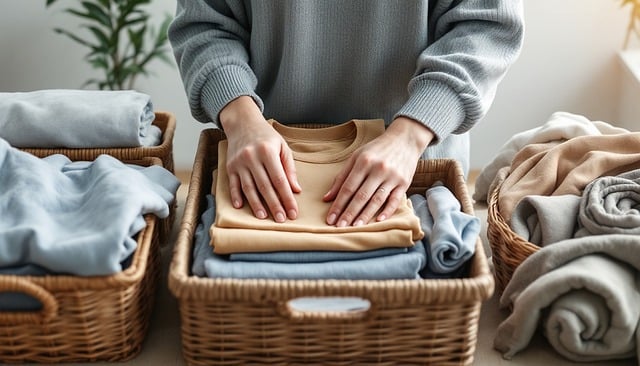
Home Organization and Decluttering significantly benefits mental, emotional, and physical health by reducing stress, enhancing focus, and optimizing space utilization. Adhering to a room-by-room plan, implementing "one in, one out" consumption, and visualizing desired spaces guides the process. Efficient systems involve categorizing items, using labeled storage solutions, and regular maintenance. Donating or selling items supports causes and gains financial value while aligning with clutter-free goals. Ongoing decluttering sessions and daily routines create calmer, more peaceful homes. Minimalism improves mental wellbeing, reduces stress, and enhances focus through fewer possessions, fostering satisfaction and happiness.
Looking to simplify your life and create a peaceful living space? Clutter-free living is more than just aesthetics; it’s a powerful tool for enhancing mental wellbeing, boosting productivity, and fostering a sense of calm. In this comprehensive guide, we’ll explore the benefits of decluttering, provide a step-by-step plan for organizing your home, and offer best practices for donating or selling items you no longer need. Discover how minimalism can transform your lifestyle and embrace a more balanced, fulfilling life through effective home organization and decluttering techniques.
- Understanding the Benefits of Clutter-Free Living
- Decluttering: A Step-by-Step Guide for Your Home
- Creating Systems for Efficient Organization
- Donating vs. Selling: Best Practices for Discarding Items
- Maintaining a Clutter-Free Lifestyle Over Time
- The Impact of Minimalism on Mental Wellbeing
Understanding the Benefits of Clutter-Free Living
Living in a clutter-free environment offers numerous advantages for your mental, emotional, and physical well-being. When you embrace home organization and decluttering, you create a sense of calm and order that can significantly reduce stress levels. A tidy space promotes clarity of mind, making it easier to focus on tasks and make decisions.
Additionally, a clutter-free home allows for better utilization of space, leading to increased functionality and efficiency. It encourages a more organized lifestyle, where items have designated places, making daily routines smoother and saving you time in the long run. This approach to living simplifies your life, enabling you to prioritize what truly matters without the constant distraction and overwhelm caused by excessive possessions.
Decluttering: A Step-by-Step Guide for Your Home
Decluttering your home is a journey towards a simpler, more organised life. Start by setting aside dedicated time for this task, creating a plan tailored to each room. Begin with the principle of “one in, one out”—for every new item that enters your home, consider if you can let go of something else. This process encourages mindful consumption and reduces unnecessary accumulation.
Sort items into keep, donate/sell, or discard piles. Be strict but compassionate; items holding sentimental value are okay to keep, but those no longer serving a purpose should find new homes. As you organise, visualise the space you want to create—a calm, welcoming environment free from clutter. This mental picture will guide your decisions and help maintain the sense of order once achieved.
Creating Systems for Efficient Organization
Creating efficient systems for organization is a powerful tool in achieving a clutter-free lifestyle. It involves understanding your space, needs, and habits to design tailored solutions. Start by categorizing items into keep, donate, recycle, or discard piles during decluttering. Then, implement practical storage methods like labeled bins, baskets, or shelves to ensure everything has its place.
For optimal home organization and decluttering, consider creating designated zones for different activities and types of items. For instance, a specific area for bills and mail, a workspace with minimal distractions, or a dedicated corner for reading. Regularly reviewing and maintaining these systems will make it easier to keep your living space tidy and reduce the burden of constant clutter management.
Donating vs. Selling: Best Practices for Discarding Items
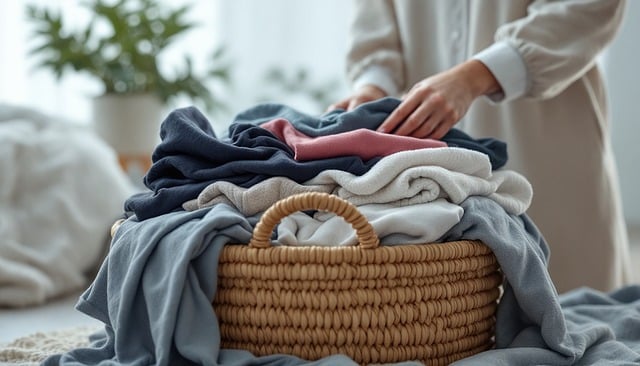
When it comes to decluttering, deciding between donating or selling items is a crucial step in achieving a clutter-free home. Both options offer benefits for those looking to simplify their lives through effective home organization and decluttering practices.
Donating items to worthy causes is an excellent way to ensure your belongings find new purpose while supporting local communities and individuals in need. Many charities and non-profit organizations accept donations of gently used items, providing a straightforward method for responsible discarding. Selling, on the other hand, offers financial incentive, especially for high-value or sought-after items. Online platforms and local thrift stores make selling easier than ever, allowing you to quickly clear out space while potentially making a profit. The key is to consider the condition of your items, their current market value, and the time and effort involved in each method to make an informed decision that aligns with your goals for a clutter-free lifestyle.
Maintaining a Clutter-Free Lifestyle Over Time
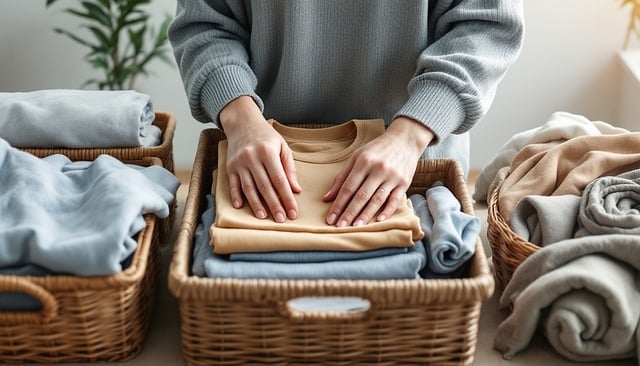
Maintaining a clutter-free lifestyle isn’t just about an initial deep clean and declutter; it’s a continuous practice that fosters home organization and simplifies daily life. Regularly scheduled decluttering sessions, ideally monthly or quarterly, help to keep spaces tidy and reduce the accumulation of new clutter. Start by implementing simple routines like picking up loose items at the end of each day and setting aside dedicated time for organizing one small area per week.
Focus on letting go of items that no longer serve a purpose or spark joy. Utilize storage solutions like baskets, boxes, or vertical organizers to keep similar items grouped together and easily accessible. By consistently practicing these habits, you’ll create an environment that encourages a sense of calm and promotes efficiency in your daily routines, ultimately leading to a more peaceful and fulfilling home life.
The Impact of Minimalism on Mental Wellbeing
Adopting a minimalist lifestyle through effective home organization and decluttering can significantly enhance mental wellbeing. By reducing the number of possessions, individuals create a calmer environment that fosters clarity of mind. This simplicity promotes better focus and reduces decision fatigue, as there are fewer items to consider and organize daily. A clutter-free space encourages a sense of control and order, leading to lower stress levels and improved mood.
Furthermore, minimalism allows for more meaningful interactions with the remaining belongings. Each item is chosen for its purpose and emotional significance, resulting in a deeper connection to one’s possessions. This intentionality can increase satisfaction and happiness, as people appreciate the value and role each object plays in their lives. Effective home organization and decluttering thus become powerful tools for achieving mental clarity, reducing stress, and cultivating a more fulfilling lifestyle.
Adopting a clutter-free lifestyle offers numerous advantages, from improved mental clarity to enhanced living spaces. By following the step-by-step guide provided, creating efficient organization systems, and practicing mindful discarding through donation or sale, you can transform your home into a serene sanctuary. Maintaining this lifestyle requires consistent effort but pays dividends in terms of reduced stress and improved wellbeing. Embrace minimalism to simplify your life and unlock a happier, more peaceful existence. Through effective home organization and decluttering, you can create a lasting sense of order and calm that benefits both mind and soul.